The Life of St. John in Ephesus
Book Now & Pay Later.
Free Cancellation & Refund.
Tour details
Below is a polished tour description you can use for brochures, websites, or guiding on-site. I’ve kept your core ideas and biblical references, but clarified the language, structure, and flow. --- ## Saint John & Early Christianity in Ephesus Tour Discover the spiritual heritage of Ephesus through the life and mission of Saint John the Apostle—one of the closest disciples of Jesus Christ and the traditional author of the Gospel of John and the Book of Revelation. According to early Christian tradition, Saint John came to Ephesus after the crucifixion of Jesus, together with the Virgin Mary. In the following decades, Ephesus became one of the most important centers of early Christianity. Here, Saint John preached the teachings of Christ, guided the Christian community, and spent the final years of his life. This tour invites you to walk the same streets that the Apostle John once walked and to experience how the message of the Gospel took root in the heart of the Roman Empire. --- ## Highlights of the Tour ### 1. Basilica of Saint John Visit the Basilica of Saint John, believed to have been built over the burial place of the Apostle John. From this hilltop, you will: - Reflect on Saint John’s role as the “beloved disciple” (John 19:26–27) and spiritual leader of the Ephesian church. - Learn about the development of Christian pilgrimage in Anatolia and how this site became a major destination for believers. ### 2. The Ancient City of Ephesus (One of the Seven Churches of Revelation) Ephesus is named as one of the seven churches in the Book of Revelation (Revelation 2:1–7). As we walk through the ancient city, you will: - Explore the streets, marble-paved avenues, and public buildings where the first generations of Christians lived and worshiped. - See where the early church in Ephesus struggled with false teachings and was called back to its “first love” for Christ (Revelation 2:4). --- ## Early Christian Inscriptions and Symbols Throughout Ephesus, archaeological remains reveal how Christianity gradually emerged within a Roman pagan environment. You will see and learn about: - **Greek inscriptions** that mention Christians and Christian titles. - **Crosses carved into marble streets, columns, and buildings**, marking places where believers gathered or bearing silent witness to the new faith. - The famous **“Ichthys” (fish) symbol**, used secretly by early Christians as a sign of faith, especially during times of suspicion and persecution. One of the most fascinating areas is near the **ancient commercial agora**, where inscriptions and symbols show how Christian belief slowly entered daily life—markets, homes, and public spaces—within Roman Ephesus. --- ## Biblical Themes and Passages on Site Throughout the tour, we will connect specific locations in Ephesus with key passages from the New Testament, especially from John and Revelation. ### “Alpha and Omega” – Revelation 1:8 At one of the inscriptions, we will consider Revelation 1:8: > “I am the Alpha and the Omega,” says the Lord God, “who is, and who was, and who is to come, the Almighty.” We will see how the **Greek alphabet** and Christian inscriptions express the belief that Christ is Lord over all history—from the beginning to the end. ### Why “Jesus” and Not “Iesous”? We will look at inscriptions that contain the Greek name Ἰησοῦς (**Iesous**) and discuss: - How the name **Iesous** in Greek became **Jesus** in English through Latin and later translations. - What this tells us about the spread of Christianity across languages, cultures, and centuries. ### John 19:27–29 – Historical Context Inside a Roman structure in Ephesus, we will reflect on **John 19:27–29**, which occurs at the crucifixion of Jesus and includes Jesus’ words to his mother and to the beloved disciple: > “Here is your mother.” (John 19:27) > “I am thirsty.” (John 19:28) Although this subject can be disturbing, we will handle it with sensitivity, focusing on: - The historical background of crucifixion in the Roman Empire. - The early Christian understanding of suffering, sacrifice, and redemption. - The traditional belief that Mary later lived in the region of Ephesus under the care of John. ### Christ’s Victory Over “The Beast” – Revelation 14:9–11 We will examine a **unique inscription that includes the name of Jesus**, interpreted in connection with the victory of Jesus Christ over the power of darkness described in Revelation 14:9–11. In Ephesus—city of the great goddess Artemis (Diana)—Christians proclaimed Jesus as Lord above all powers. At this point in the tour, we will: - Discuss the contrast between the worship of **Artemis/Diana** and Christian confession of Christ as the one true Lord. - Reflect on Revelation’s imagery of “the Beast” and how early believers in Ephesus would have understood this message of spiritual conflict and ultimate victory. --- ## The Agora and the Great Theatre – Acts 19 We will visit: - **The Commercial Agora**, where trade and daily life took place, and where Christian presence slowly became visible through symbols and inscriptions. - **The Great Theatre of Ephesus**, a monumental structure mentioned in **Acts 19**. Here, we will recall the dramatic episode when a riot broke out over Paul’s preaching, because his message threatened the trade connected with the cult of Artemis: > “Great is Artemis of the Ephesians!” (Acts 19:28–34) Standing in the theatre, you can imagine the crowd shouting and sense how the early Christians in Ephesus lived under social and religious pressure. --- ## What You Will Experience By the end of this tour, you will have: - Walked the same streets where Saint John and the early Christians of Ephesus lived out their faith. - Seen physical evidence—inscriptions, symbols, and ruins—of the **rise of Christianity** in a powerful Roman city. - Reflected on how believers worshiped, suffered, and persevered during times of tension and persecution. - Gained a deeper understanding of why Ephesus became one of the **major pilgrimage centers** of the Christian world, and how its legacy still speaks to people of faith today. This journey weaves together **biblical history, archaeology, and spiritual reflection**, allowing you to walk in the footsteps of Saint John and encounter the enduring legacy of early Christianity in Anatolia.
What's included
Licensed Expert Tour Guide and two-way transportation included.
Not included
Admission costs for the attractions,
Gratuities for the driver and the tour guide
Need to Know
Please ensure to wear suitable attire, this excursion involves traversing on rugged ground
Tour Program
Ephesus
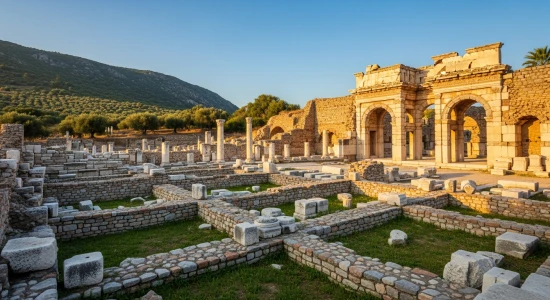
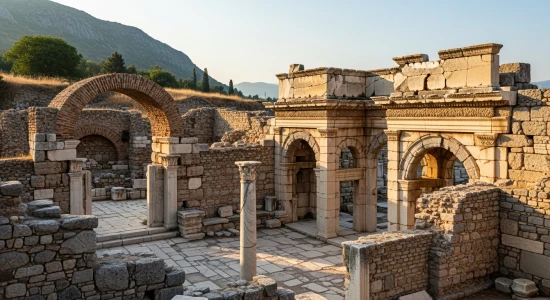
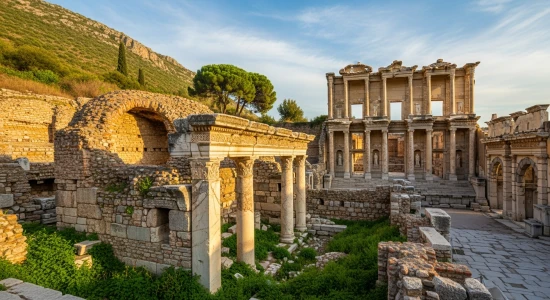
Discover the spiritual heritage of Ephesus through the life of Saint John the Apostle, one of the closest apostle of Jesus Christ and the author traditionally associated with the Gospel of John and the Book of Revelation. According to early Christian tradition, Saint John came to Ephesus after the crucifixion of Jesus together with the Virgin Mary. Ephesus later became one of the most important centers of early Christianity, where Saint John preached the teachings of Christ, guided the Christian community, and spent the final years of his life. During this tour, guests will explore the sacred and historical sites connected to Saint John’s mission in Ephesus, including: Basilica of Saint John, believed to be built over the burial place of the Apostle John. The Ancient City of Ephesus is one of the seven churches mentioned in the Book of Revelation and the city where the apostle lived.
Visitors will also discover remarkable inscriptions and symbols reflecting the rise of Christianity in Ephesus. Among them are ancient Greek inscriptions mentioning Christians, crosses carved into marble streets and columns, and the famous “Ichthys” (fish) symbol, secretly used by early Christians as a sign of faith during Roman times. One of the most fascinating examples can be seen near the ancient commercial agora, where inscriptions and symbols reveal how Christianity gradually spread through daily life in Roman Ephesus. We are going to see and have a chance to walk on the same streets that apostle John walked centuries ago. Guests will learn how believers practiced their faith during periods of persecution and how Ephesus eventually became a major pilgrimage center of the Christian world. This tour offers a unique combination of biblical history, archaeology, and spiritual heritage, allowing visitors to walk in the footsteps of Saint John and experience the enduring legacy of early Christianity in Anatolia.
Biblical Spots to see in and around Ephesus
- The inscription mentions about Revelation 1:8 “I am the Alpha and the Omega,” says the Lord God, “who is, and who was, and who is to come, the Almighty.”
- We are going to see inscriptions that include the letters “I” and “J” and explain why we say “Jesus” instead of “Iesous.”
- We are going to explore a Roman structure in Ephesus and talk about John 19:27–29. Although this topic may be disturbing to some people, it is important to understand its historical context.
- The inscription that has the name of jesus which is unique and we can see the victory of jesus christ against The Beast Artemis/Diana in Ephesus, Revelation 14:9-11.
- We are going to see Agora and the Theatre of Ephesus, Acts 19.